

Railroad Interstitial Lung Disease
Railroad workers are susceptible to various lung diseases, including pulmonary fibrosis and mesothelioma. Diesel fumes can also increase the risk of COPD.
Certain types of interstitial lung disease are progressive, which means they become worse over time. The prognosis for the idiopathic lung disease can be poor.
Risk Factors
Many railroad workers are susceptible to developing lung diseases that are debilitating. Particularly, those who have worked for a long time in a factory environment are often exposed to toxins and fumes that could cause interstitial pulmonary disease. This is because exposure to toxic chemicals could cause lung scarring, making it harder for oxygen to flow through.
The most common cause of interstitial lung disease from railroads is exposure to long-term diesel exhaust fumes. Diesel fumes can be extremely irritating to the lungs. They can cause COPD as well as other health issues, such as lung cancer and respiratory failure.
Other causes of the railroad interstitial lungs disease are exposure to stone dust, or metal dust. Other risk factors include the presence of hepatitis (including tuberculosis) or pneumonia, or a family history, along with comorbidities like GERD, malignancy, and diabetes.
A few railroad companies failed to inform their employees about the dangers associated with railroad work. This has led to a high incidence of serious lung diseases like pulmonary fibrosis among railroaders who work in the field. Families of railroaders who been affected by these ailments could be able to file a lawsuit in accordance with the Federal Employers Liability Act (FELA) against the railroad for damages. This could include medical costs as well as lost wages, pain and discomfort, and other damages that result from the wrongful diagnosis.
Symptoms
The most frequent symptoms of the disease are shortness of breath as well as a dry cough that does not disappear. As time passes, the illness can cause other problems which make it difficult for people to breathe. It can cause life-threatening complications like respiratory or heart failure.
The most serious symptoms of the disease are fatigue, clubbing of the toes and fingers, and the development of pulmonary fibrosis, which causes scarring of the lung tissue, and prevents the lung tissue from providing oxygen to the body. People who develop pulmonary fibrosis might also experience difficulty breathing when they sleep, and other symptoms connected to the immune system.
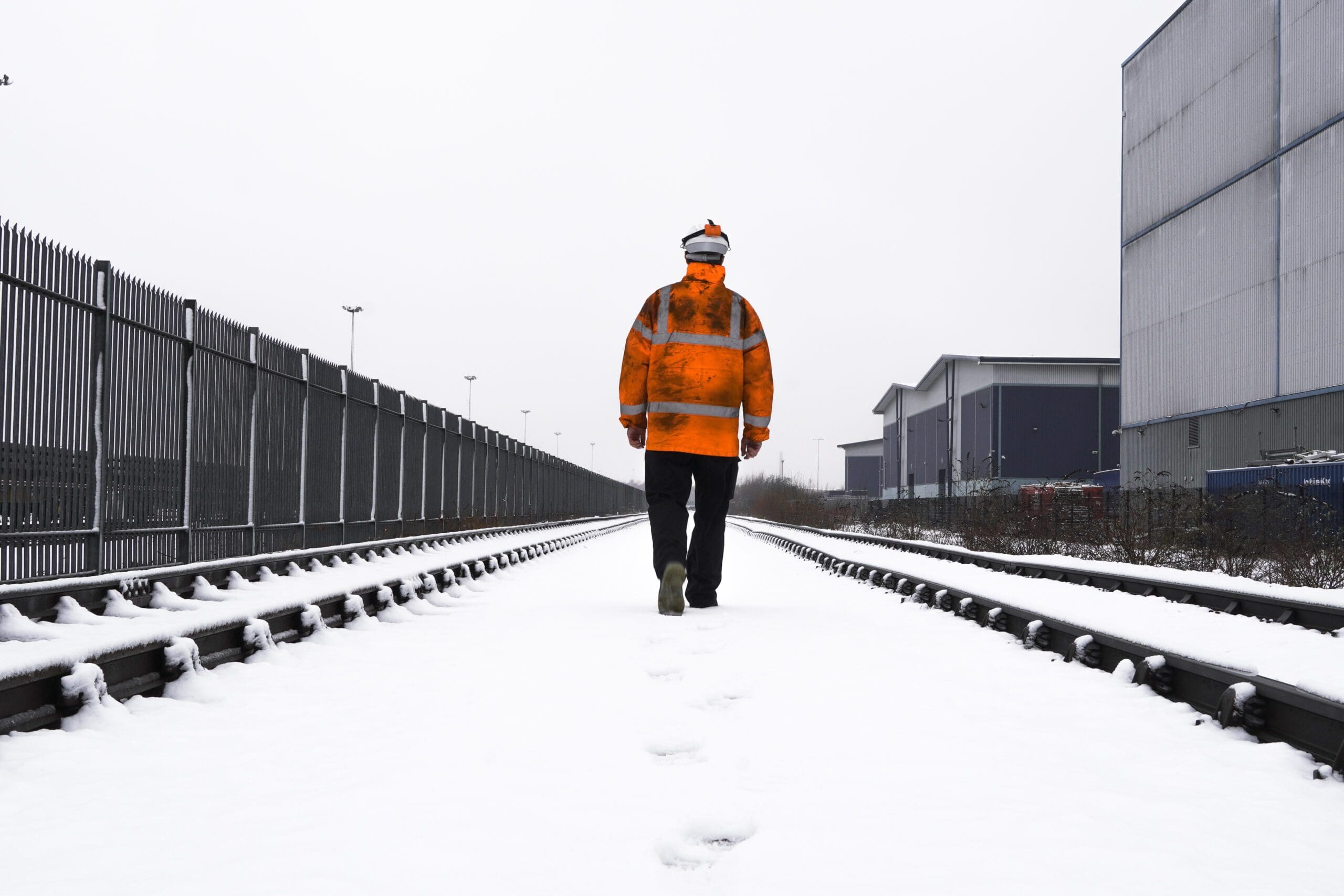
Asbestos inhalation can cause severe scarring of the lungs and can cause other diseases. It could cause cancer such as mesothelioma. It is a rare cancer that affects organs and the lining in the chest cavity. It can also cause a type of fibrosis referred to as asbestosis in the lungs as well as other conditions like silicosis.
Leukemia lawsuit are exposed to dust, chemicals and fumes from the freight train equipment as well as maintenance of tracks. cancer lawsuit may be able to recover damages from FELA lawsuits for medical bills, lost wages, and other expenses.
Diagnosis
Interstitial lung disease can cause scarring and damages to the parts of the lung. The scarring hinders the lungs' capacity to bring oxygen into bloodstream and to transport it to other tissues of the body. This can lead to a dry cough, fatigue and breathing problems during activities. Untreated, the damage could be life-threatening.
To determine if you have interstitial lung disease, your doctor will order medical tests to detect inflammation and other conditions in the lungs. They may include pulmonary function tests to measure the efficiency of your lungs through blood tests, imaging test and lung biopsy. You are required to provide your medical background. This includes a record of all medications you're taking and if anyone in your family suffers from connective tissue diseases or any other health issue. You should inform your physician if you were exposed to asbestos, metal dusts or dusts of silica, or any other fumes when working.
The exposure to toxic substances and chemicals in the workplace could cause a variety of illnesses such as interstitial lung disease such as pulmonary fibrosis. Long-term exposure of diesel exhaust fumes as well as other fumes can increase the chance of developing cancer among workers particularly mesothelioma. This cancer is related to asbestos fibers. If you or a loved one has been diagnosed with pulmonary fibrosis from railroads Contact our experienced FELA lawyers at Doran & Murphy to discuss the options available to file a lawsuit.
Treatment
There are few treatment options for interstitial lung disease (ILD) which can cause inflammation and scarring of the lungs. The scarring could affect the capacity of your lungs to take in oxygen and transport it to your body. It can lead to breathing problems such as pulmonary fibrisis, interstitial pneumonia and hypersensitivity pneumonitis.
cancer lawsuits is not curable, however doctors can assist you in managing your symptoms and lead the normal routine of your life. They might prescribe medication such as supplemental oxygen or physical therapy to reduce your symptoms. They may also prescribe medications to slow down the progression of lung scarring. These include corticosteroids as well as anti-fibrotic medications like azathioprine cyclophosphamide, pirfenidone and cytotoxic drugs. Other drugs include rituximab which is used to treat autoimmune disorders.
The symptoms of interstitial pulmonary disease can vary from mild to severe. Usually, they come on slowly over time, or even years and then get worse as lung damage worsens. The breath shortness is usually the first indication of ILD. It becomes more severe when you exercise or exert yourself.
Rail workers exposed to fumes and dust, such as diesel and coal exhaust can develop serious respiratory conditions. cancer lawsuits can cause serious impairment in quality of life and make it difficult to perform and work normally. The Federal Employers Liability Act can be used to hold railroads accountable for work-related illness when they fail to provide adequate ventilation and safety equipment.